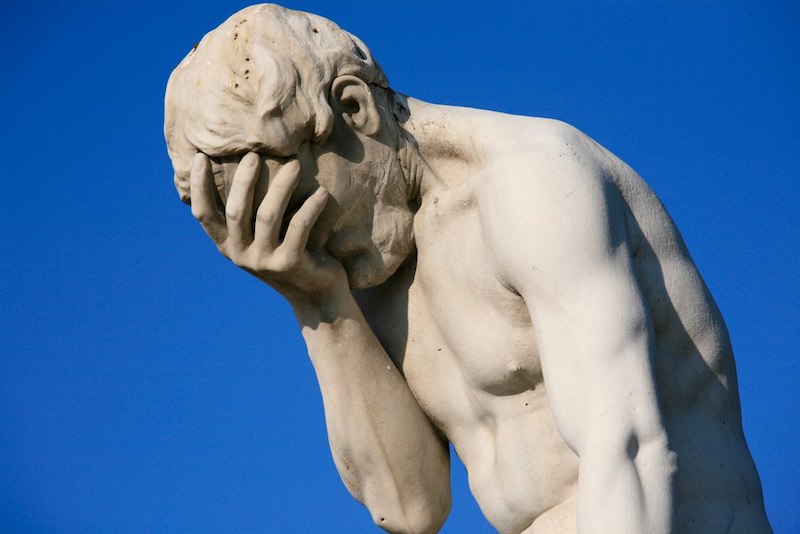
I recently visited the Museum of Memory and Tolerance in Mexico City and found the experience moving and eye-opening.
The museum has two sections. The “Memory” section documents 20th-century genocides, including the Holocaust, as well as atrocities in Armenia, Rwanda, Darfur, Guatemala, Yugoslavia, and Cambodia. The “Tolerance” section emphasizes how societies can recognize and resist discrimination and hate. A temporary exhibit focused on Anne Frank.
Walking through the galleries, I noticed clear similarities in the early warning signs of mass hatred, discrimination, and violence across all these historic events. Many Americans now ask whether these patterns could emerge here. Based on what I saw, this feels more reality than possibility.

Vagones de la Muerte (Death Wagons): a train car used by the Nazis to transport Jews to concentration camps.
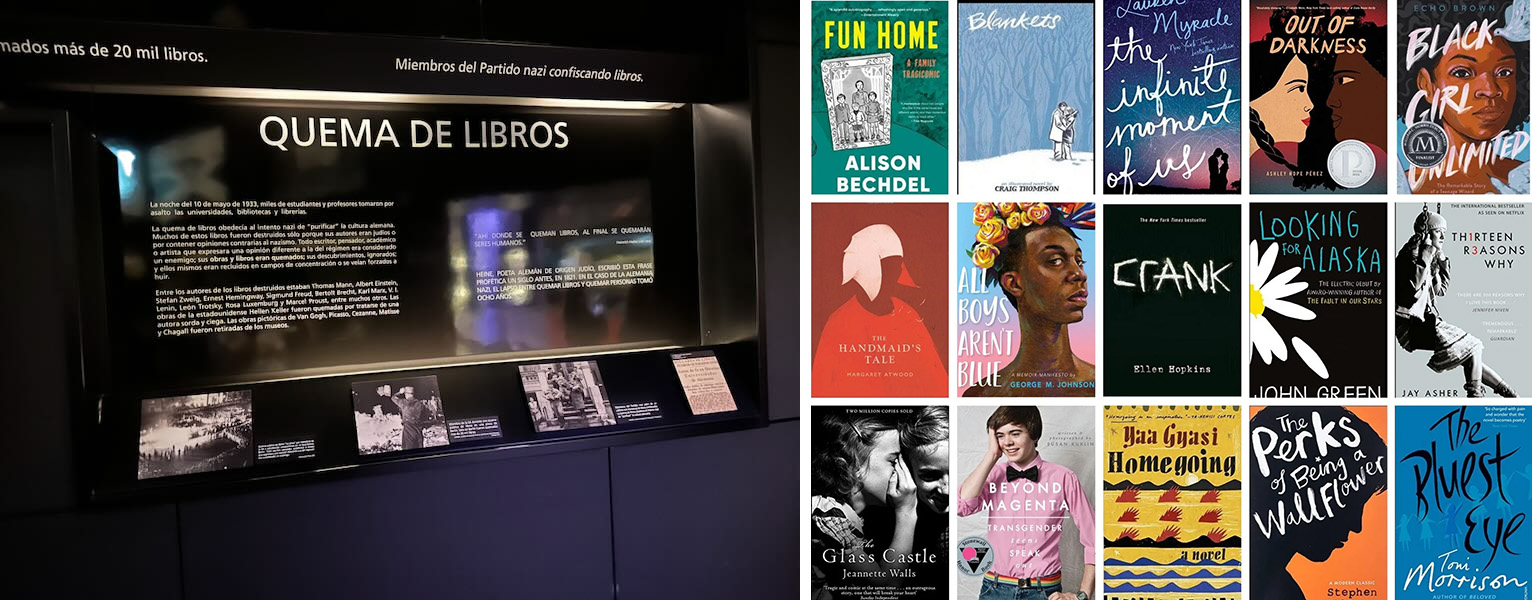
On the left: a display on book burning ("quema de libros") at The Museum of Memory and Tolerance in Mexico City; on the right: a small portion of books that have been banned due to their support for women and minorities.
Early Signals of Escalating Hate
One of the first indicators of escalating violence is the suppression of ideas and speech. We see this in book bans, attacks on academics, scientists, and journalists, legal actions targeting dissent, and the Trump Administration’s efforts to demonize institutions such as colleges, non-profits, and aid agencies. These actions echo early steps taken by oppressive regimes.
The Nazis did not start by targeting the Jews. They first attacked people with disabilities, calling them a “burden to society.” Today we hear similar language in the statements of public figures about autistic children. Secretary of Health and Human Services Robert F. Kennedy, Jr. said: “These are kids who will never pay taxes….They’ll never hold a job, they’ll never play baseball, they’ll never write a poem, they’ll never go out on a date. Many of them will never use a toilet unassisted.” He implies autism is a burden that is costing American society.
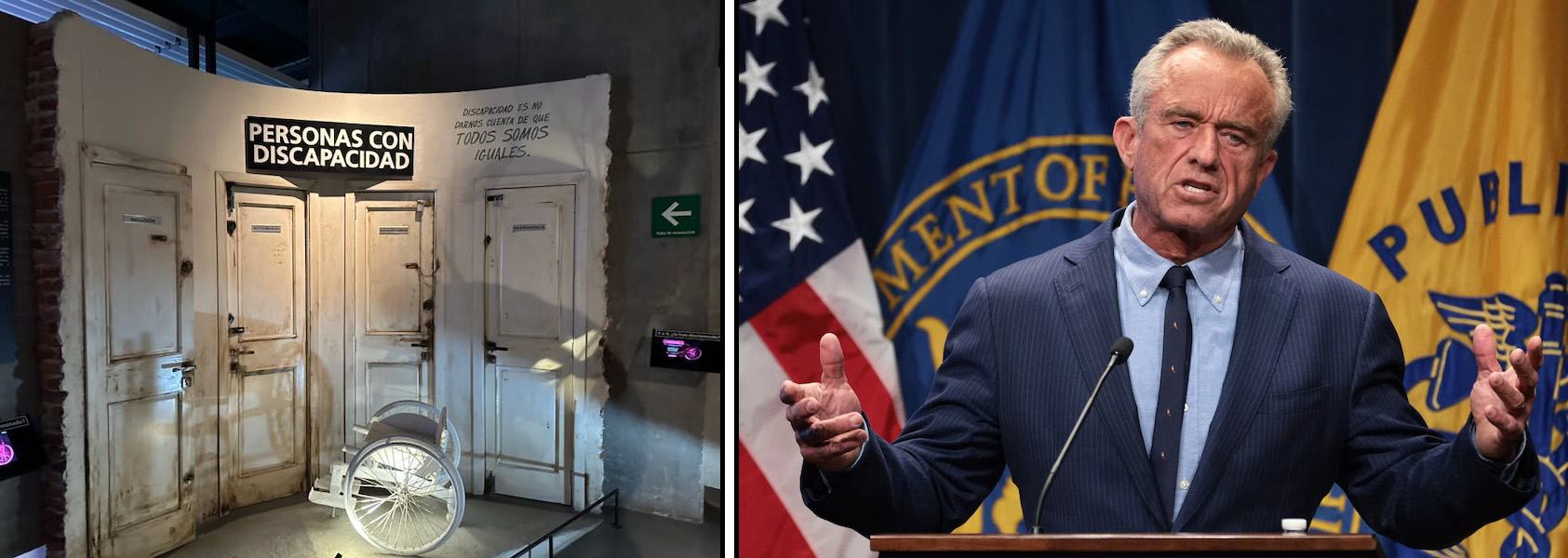
The disabled have often been subject to attack from fascist regimes and are targeted in genocides for being a burden to society. Robert F. Kennedy's words echo these sentiments.
Demonizing and Deporting
You might say this is all about words. Nobody is really being harmed yet in the United States in 2025. I totally disagree.
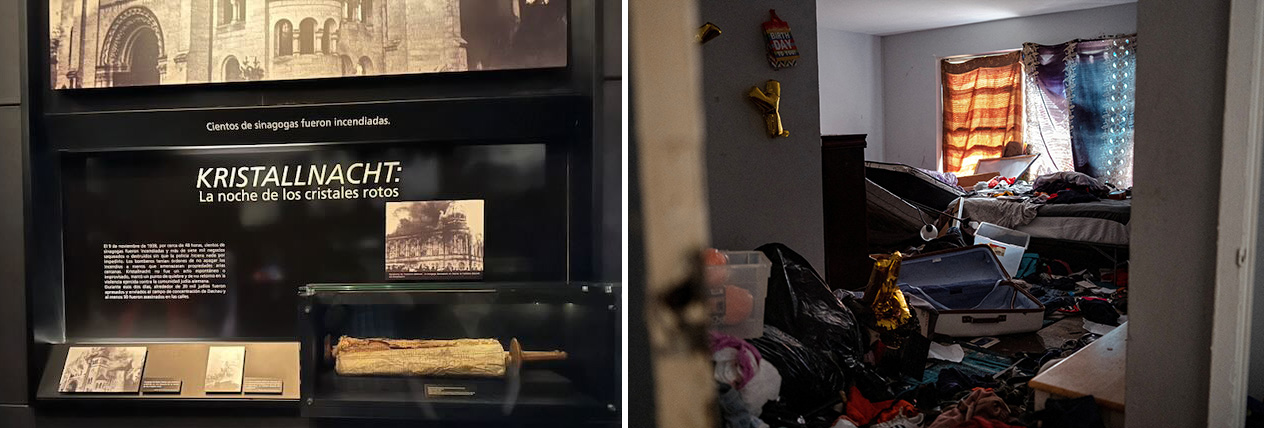
Kristallnacht destroyed synagogues, businesses, homes, and lives. ICE is destroying homes in a similar fashion and assuming guilt before proving it.
In November 1938, during Kristallnacht, Nazi forces destroyed more than 1,400 synagogues, attacked or razed 7,000 Jewish businesses, and arrested 26,000 Jewish men without legal due process. This was the start of shipping off Jews to concentration camps.
Today, agencies like U.S. Immigration and Customs Enforcement (ICE) carry out raids in neighborhoods, sometimes involving forced home entry and family separations. These operations have sparked criticism from civil liberties groups, noting that many targets are nonviolent and lack proper legal representation. I believe this is a case of guilty until proven innocent, which is about as un-American as it gets.
Let’s be clear: illegal immigration is a problem in this country, and we should prosecute and deport violent criminals who are here illegally. However, under Title 8 U.S.C. § 1325, unauthorized entry into the U.S. is a misdemeanor unless a person is deported and returns, and only then does it become a felony. The law does not authorize militarized home invasions, mass family separation, or destruction of property. Past presidents from both parties have supported legalization pathways for undocumented individuals who work, pay taxes, and avoid criminal records, a group that constitutes the vast majority of those ICE targets.
What We Must Do
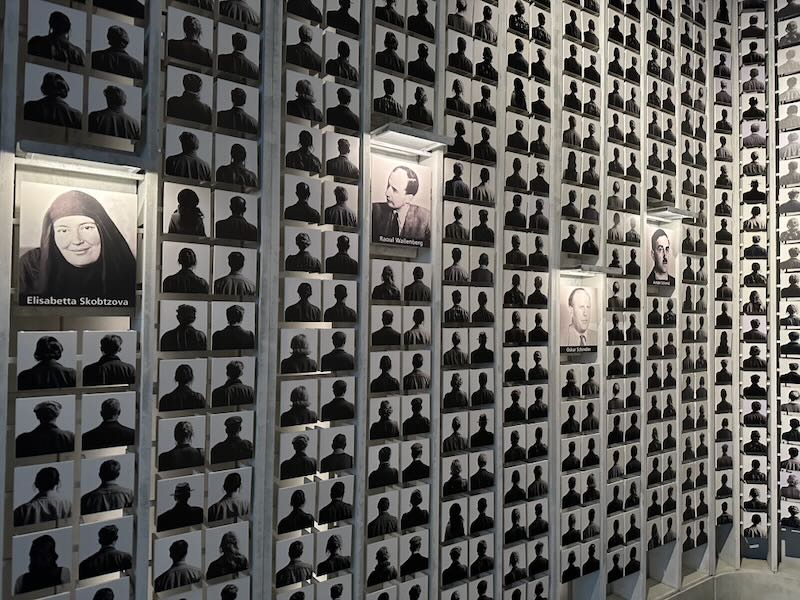
A wall at The Museum of Memory and Tolerance honors the rescuers of Jews during the Holocaust, such as Oscar Schindler, Raoul Wallenberg, and Greek Orthodox Bishop Chrysostomos of Zakynthos. The photographs of rescuers are scattered among many more images showing backs turned toward the camera. The display suggests that even when people see atrocities unfolding, far too many remain silent.
Hate escalates when good people remain silent.
Now is not the time to stay silent. Speak out, protest, write letters, and question your leaders. Our democracy is heading in a very dark direction, and we need to shine a light on this hate before it evolves into atrocities.